
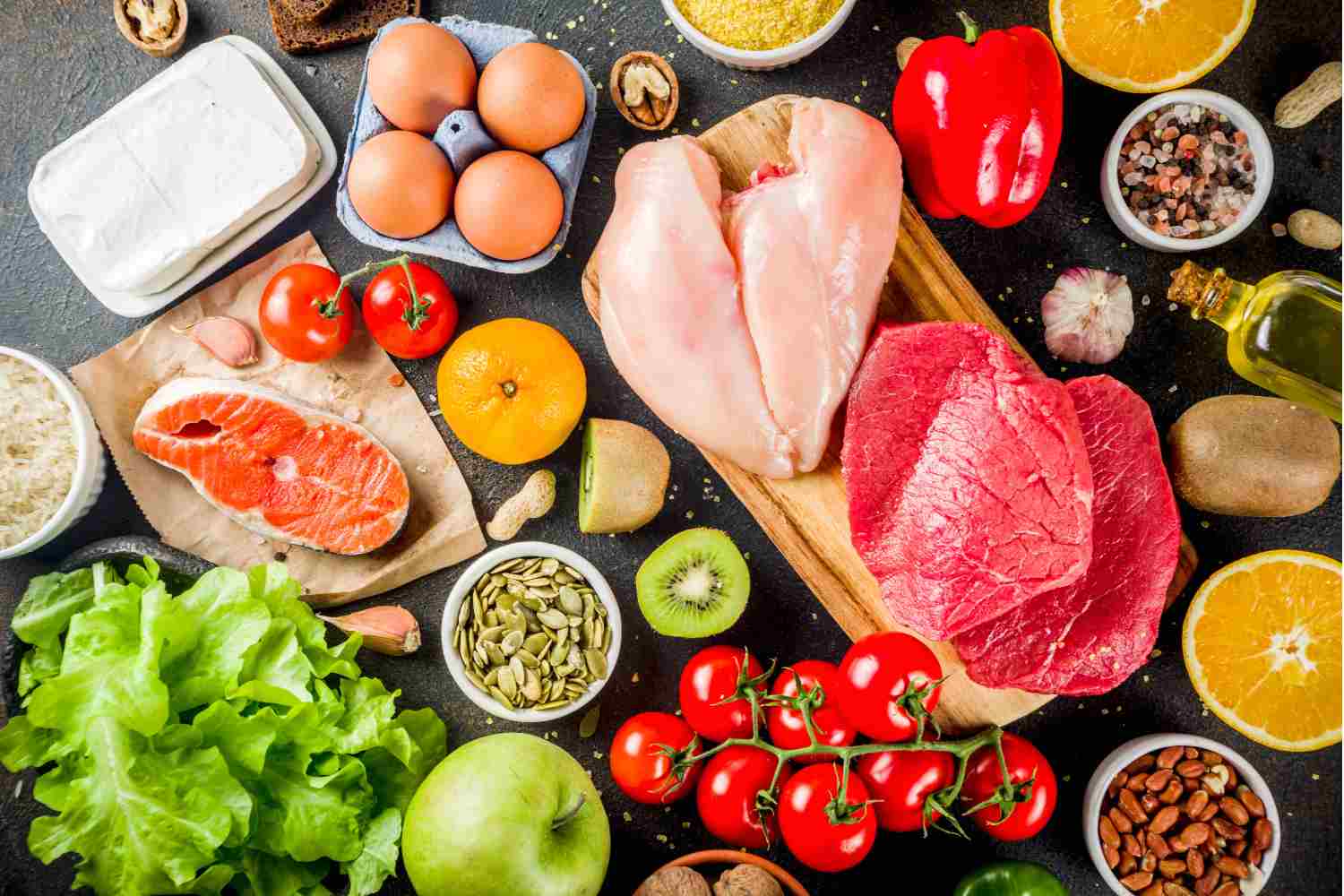
Most men know testosterone affects energy, strength, libido, confidence, and overall vitality. But fewer realize how strongly diet impacts hormone production. The types of foods you eat—especially your balance of carbohydrates, fats, and protein—directly influence testosterone levels and the systems that regulate them. This article breaks down how each macronutrient affects male hormones and offers practical guidance on how to eat for optimal testosterone.
How Diet Influences Testosterone Production
Testosterone is produced in the Leydig cells of the testes using cholesterol as the base material. The endocrine system also responds to energy availability, insulin, cortisol, and nutrient intake. This means your macronutrient intake shapes:
- Steroid hormone synthesis
- Recovery and muscle-building hormones
- Stress hormone levels
- Metabolic function
Extreme dieting, chronic calorie deficits, and poorly balanced macro ratios can suppress testosterone, even in younger men. Getting the right mix matters.
Carbohydrates & Testosterone
Carbs Influence Cortisol and Energy Availability Carbohydrates play a crucial role in regulating testosterone by influencing insulin and cortisol. Insulin helps shuttle nutrients into cells, supporting recovery and anabolic signaling. Cortisol, on the other hand, is a stress hormone that—when chronically elevated—suppresses testosterone.
Low-carb diets can increase cortisol because the body is forced to rely on fat and protein for fuel. This elevates stress hormones and can reduce testosterone output, especially during intense training or long workdays.
Carbs Support Performance and the HPG Axis
Testosterone responds positively when the body has enough energy to support demanding activities. Adequate carbohydrate intake improves workout performance, reduces metabolic stress, and enhances the downstream hormone systems that signal testosterone production. Men who strength train or exercise frequently typically benefit from moderate carbohydrate intake.
When Low-Carb Diets Hurt Testosterone
Long-term very-low-carb or ketogenic diets can reduce testosterone by lowering energy availability, raising cortisol, and decreasing thyroid function. Some men feel fine on keto, but many experience lower libido, reduced strength, slower recovery, and flatter mood due to suppressed hormone activity.
Optimizing Carb Intake
Men tend to perform and feel better with carbohydrates placed strategically around activity—before workouts for energy and after workouts for recovery. Whole-food carbohydrates like fruit, potatoes, rice, oats, honey, and whole grains support stable energy and better hormonal signaling.
Fats & Testosterone
Fats Are Necessary for Testosterone Production
Fats—especially dietary cholesterol—are essential for producing testosterone. Men who follow extremely low-fat diets often see declines in hormone levels because they don’t provide enough raw material for steroidogenesis.
Types of Fats Matter
Not all fats affect hormones the same way:
- Saturated fats, in moderate amounts, can support healthy testosterone levels.
- Monounsaturated fats (like those in olive oil, avocados, and nuts) are associated with better metabolic and cardiovascular health while supporting hormone production.
- Omega-3 fatty acids reduce inflammation, supporting a healthier endocrine environment.
- Excess omega-6 polyunsaturated fats—common in seed oils and processed foods—may reduce testosterone when consumed in large amounts.
Ideal Fat Intake
Most men do best when fats make up 25–35% of daily calories. Too little fat reduces testosterone; too much displaces important carbohydrates and protein. Focus on high-quality fats such as eggs, olive oil, avocados, grass-fed meats, and wild-caught fish.
Protein & Testosterone
Protein Supports Muscle & Hormone Signaling
Protein is essential for maintaining muscle mass, recovery, immune function, and metabolic health. Adequate protein supports IGF-1 and growth hormone pathways, which play an indirect but meaningful role in testosterone function.
Too Much Protein Can Lower Testosterone
Excessively high-protein diets—especially when combined with very low fat—can reduce testosterone. This happens because the body lacks the fats and cholesterol needed for hormone production. Many men make the mistake of eating only lean meats while trying to “eat healthy” or lose weight, not realizing it may strain their hormonal balance.
Too Little Protein is Also a Problem
Not eating enough protein reduces recovery, weakens training performance, and lowers the signals that encourage testosterone production. The sweet spot for most men is around 0.8–1 gram of protein per pound of goal body weight, adjusted for training intensity and age.
Best Protein Sources
Animal proteins—such as beef, poultry, eggs, and fish—offer complete amino acid profiles and higher levels of micronutrients that support hormone health. Plant-based proteins can be included but may require higher intake to match amino acid quality.
How Macronutrient Ratios Affect Testosterone
The balance of carbs, fats, and protein matters more than any single nutrient. Extremely low-carb, very low-fat, or ultra-high-protein diets frequently lead to hormonal problems. Testosterone thrives when macronutrients are balanced and energy availability is steady.
Intermittent fasting can work for some men, but prolonged fasting or aggressive time-restricted eating may increase cortisol and decrease testosterone if not carefully managed.
For most men, the ideal testosterone-supporting diet includes:
- Sufficient carbohydrates to fuel workouts and reduce cortisol
- Moderate, high-quality fats to support hormone synthesis
- Adequate protein to maintain strength and recovery
- Enough total calories to avoid chronic energy deficits
Conclusion
Testosterone isn’t influenced by age alone. Diet plays a powerful, direct role in hormone production. By understanding how carbohydrates, fats, and protein each affect testosterone, men can create eating patterns that support better energy, stronger libido, improved strength, and long-term hormonal balance.
-1.png?w=650&h=651)